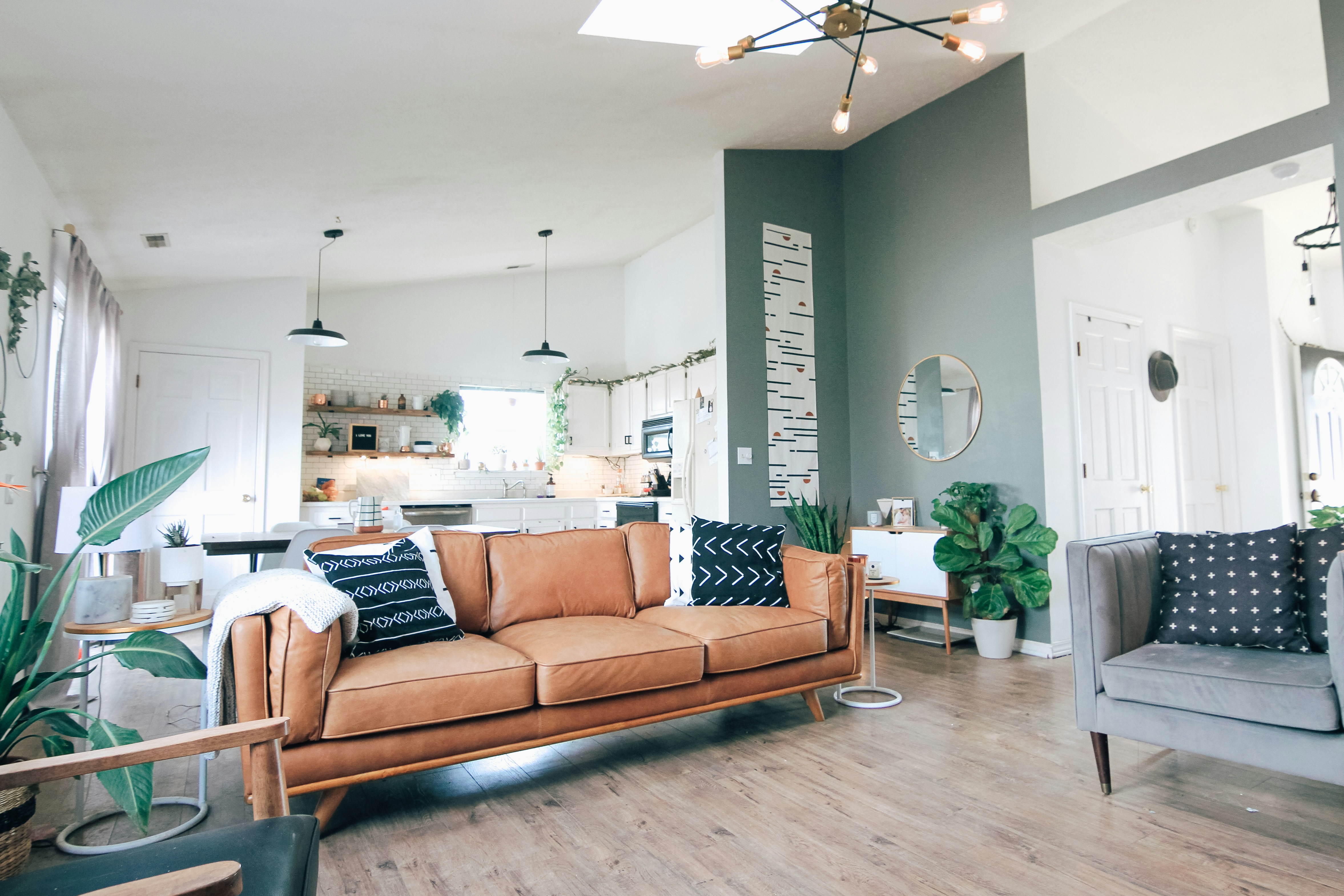
In the competitive UK property market, the difference between a good valuation and a great one often comes down to perception. When a surveyor or estate agent walks through your front door, they are performing a rapid assessment of your property's condition, marketability, and "move-in readiness."
If you are wondering how to increase house value for valuation in under one week, you are in the right place. While major renovations take months, significant value can be unlocked through tactical, high-impact improvements that signal to a professional that your home has been meticulously cared for.
The Psychology of Property Valuation
Valuations are not just about square footage and location. They are influenced by the "curb appeal" and the "psychology of space." A surveyor subconsciously deducts value for deferred maintenance. By addressing these items in seven days, you change the narrative of your property from "a project" to "an asset."
Day 1: The Exterior and Curb Appeal
First impressions are statistically the most significant factor in initial valuation appraisals.
The Front Door and Entrance
- The Power Wash: Rent a high-pressure washer and clear away years of grime from your driveway, paths, and patio. A clean exterior suggests a well-maintained home.
- Front Door Refresh: A fresh coat of paint on your front door is the highest return-on-investment (ROI) task you can perform. Choose a classic, professional colour like navy blue, charcoal grey, or traditional black.
- Ironmongery: Replace tarnished door handles, letterboxes, and house numbers with matching, high-quality finishes (brushed chrome or brass).
Day 2: Decluttering and "Neutralising" Space
Valuers need to see the bones of your house, not your lifestyle.
The "One-Third" Rule
Remove one-third of the items from your shelves, cupboards, and wardrobes. When a surveyor opens a cupboard and it is overflowing, it signals a lack of storage space — a major negative in valuation reports.
- Depersonalise: Remove family photos, eccentric art, and hobby-related clutter. You want the surveyor to be able to visualise a generic buyer living there, not your personal history.
- Clear Worktops: Kitchens sell houses. If your worktops are clear of appliances (toasters, kettles, jars), the kitchen appears larger and more expensive.
Day 3: The Deep Clean
A clean home is a cared-for home. Professionals equate cleanliness with structural integrity.
- Window Cleaning: Streak-free windows allow natural light to flood into rooms, making them feel brighter and larger.
- Grout and Silicone: Replace any mouldy or cracked silicone sealant around baths, showers, and sinks. This is a five-minute job with a professional finish that eliminates the "grubby" factor.
- The Smell Factor: Odours are the silent valuation killer. Use mild, neutral scents or simply ensure deep ventilation.
Day 4: Light and Atmosphere
Dark rooms feel small. Bright rooms feel valuable.
- Upgrade Lighting: Swap out any blown bulbs for high-wattage, warm-white LED equivalents. Ensure every single light fitting in the house works.
- Mirror Placement: If you have small or dark rooms, place a large mirror opposite a window. It creates the illusion of more space and doubles the natural light.
- Curtains and Blinds: Ensure all window treatments are functioning perfectly. If they are broken, take them down entirely. Empty windows are better than broken ones.
Day 5: Minor Repairs (The "Snag List")
Small annoyances suggest larger, hidden problems. If a buyer (or valuer) sees a loose handle, they wonder what else is loose behind the walls.
| Item | Action | Impact |
|---|---|---|
| Leaking Taps | Replace washers or tighten seals | Indicates well-maintained plumbing |
| Loose Handles | Tighten all screws on doors | Professional feel |
| Wall Scuffs | Use a "magic eraser" or touch-up paint | Freshness |
| Creaky Floorboards | Secure with a screw or talcum powder | Silence is premium |
Day 6: The Garden and Outdoor Space
In the UK, outdoor space is a premium commodity. Even if you don't have a massive lawn, how you present your exterior space matters.
- Mowing and Edging: Cut the grass and, crucially, trim the edges. An unkempt garden makes the whole property look neglected.
- Dead-Heading: Remove dead flowers and prune back overgrown shrubs that are blocking light from entering the windows.
- Furniture Styling: If you have patio furniture, clean it. If it is old and broken, remove it. Create a small "seating area" vignette to show how the space can be used for entertaining.
Day 7: Final Staging and The Walkthrough
On the final day, your goal is to orchestrate the "flow" of the valuation.
- Temperature Control: Ensure the house is at a comfortable, warm temperature. A cold house feels unwelcoming.
- Sound: Turn off the television and radio. Silence allows the valuer to focus on the space.
- The "Feature" Sheet: Prepare a simple, one-page document listing recent improvements (e.g., "Boiler serviced in [Month]", "New roof tiles [Year]"). Hand this to the valuer. It proves you are a responsible owner.
Why Speed Matters
When you focus on these tasks within a 7-day window, you are creating a "snapshot" of a high-value property. By removing the obstacles — the dirt, the clutter, and the minor annoyances — you allow the surveyor to focus on the objective value of the square footage and the location, rather than the subjective negative of the property's condition.
Checklist: Your 7-Day Sprint
- Day 1: Exterior power wash and door repaint.
- Day 2: Declutter to "show-home" standards.
- Day 3: Replace all silicone/grout and deep clean.
- Day 4: Lighting check and mirror placement.
- Day 5: Tighten and fix the "Snag List".
- Day 6: Garden trim and styling.
- Day 7: Comfort, warmth, and document preparation.
Disclaimer: This guide is for educational purposes to help you present your home in its best light. Property valuations are complex and depend on various market factors, including recent sales in your area and structural conditions.



Get Free Local Property Insights
Thinking of buying or selling? Get area-specific advice tailored to your needs.